
Create a Wallet
Understand creation versus import, then complete a secure backup before routine use.
View guide →Understand multi-chain assets, network selection, sending and receiving, DApp connections, approvals and wallet security in one place. imtoken is designed to help you review the address, network and request details before you act.
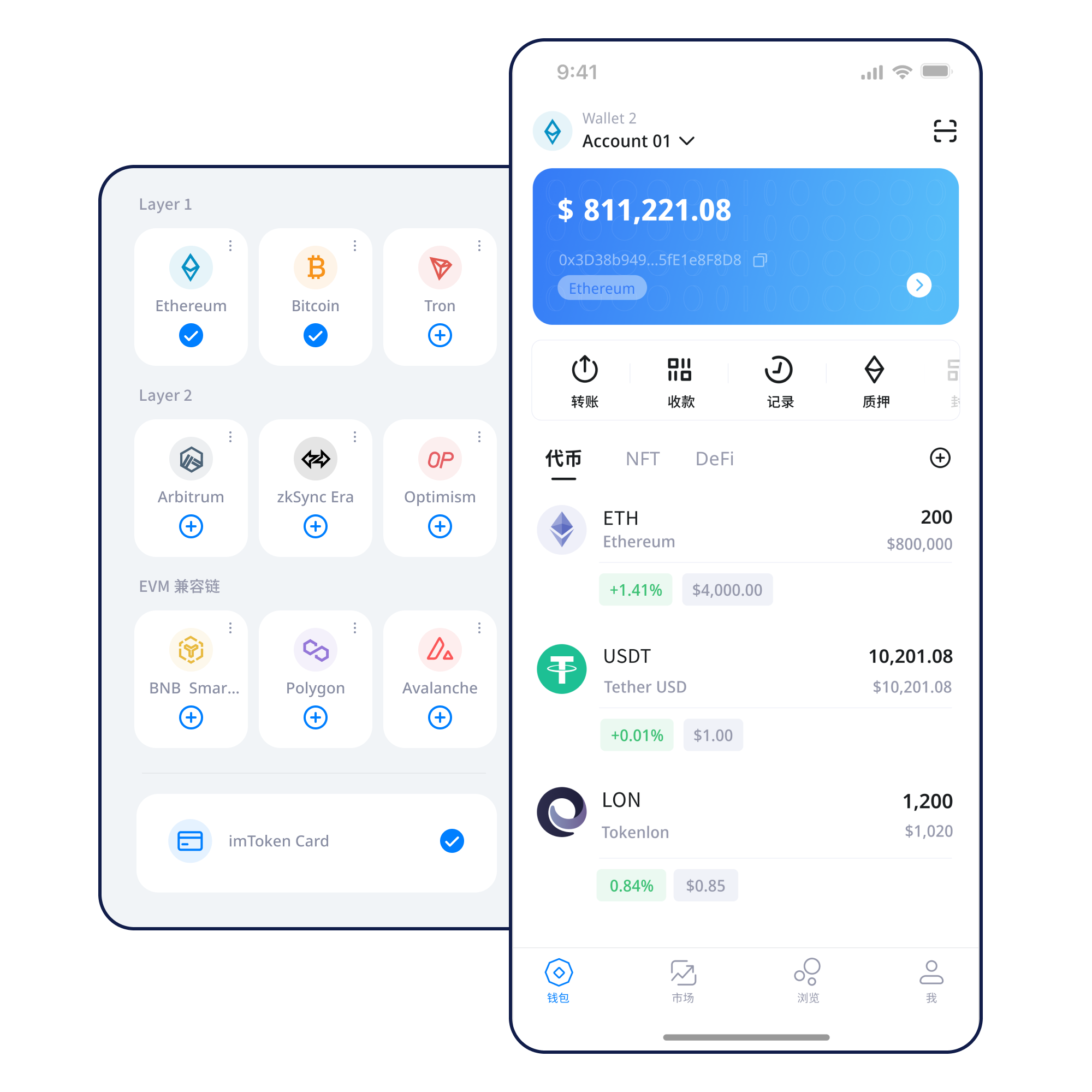
Understand creation versus import, then complete a secure backup before routine use.
View guide →Keep the seed phrase offline; avoid screenshots, cloud drives and messaging apps.
View guide →Confirm the network before copying an address; a familiar address format does not identify the network.
View guide →Review the address, network, asset, amount and gas before broadcasting a transaction.
View guide →Verify the domain, account request, signature meaning and approval scope before proceeding.
View guide →Different tasks use different information structures so the wallet is not reduced to a wall of identical cards.
Learn how networks differ, why an address needs network context, and how transaction confirmations affect what you see.
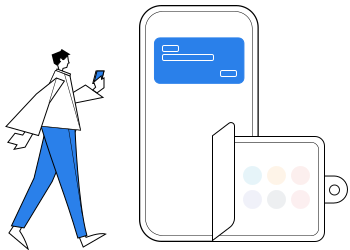
Use mobile network management, asset views, transaction history and DApps while reviewing each signature and approval independently.
Verify the address and network before receiving, then review the amount, gas and transaction hash when sending.
View the transfer flow →Understand browser connections, account requests, approvals, DApp access and disconnect behavior.
Learn about web connections →Seed phrases and private keys remain under user control. Offline backups, approval review and transaction checks matter more than absolute-safety claims.
Start with network context so an identical-looking address is not mistaken for an identical network.
Each blockchain has its own state, fees and confirmation mechanics. For a cross-network action, identify the source network, destination network and any bridge or cross-layer mechanism first.
Continue →Public chains use nodes, blocks and consensus to maintain shared state. A broadcast transaction must be included and confirmed before its final state can be verified.
Learn public-chain basics →
The EVM provides a common execution model, while each network still has its own gas market, RPC endpoints and parameters.
Understand the EVM →
Layer 2 networks maintain a relationship with a base layer. Moving assets across layers may involve a bridge, waiting periods and more than one confirmation stage.
Explore Layer 2 →
Gas represents execution and resource cost, while confirmations describe how a transaction is included and then followed by additional blocks.
Learn fees and confirmations →Network → fee → transaction hash → block state → final result
Build private-key protection and on-chain verification into the workflow instead of treating them as afterthoughts.
Use the download entry point and avoid installation files from unfamiliar pages.
Understand the difference and never submit a seed phrase or private key to a webpage.
Keep the seed phrase in a private offline location that remains recoverable over time.
Check the network name, address format and the chain where the asset actually exists.
Review address, network, amount and gas; consider a small test when the context is unfamiliar.
Use the transaction hash to verify status and review approvals that are no longer needed.
Verify the domain first, then review account connections, message signatures, transaction signatures and token approvals as separate requests. Every signature and approval deserves its own check.
Open the Web3 guideSeed phrases and private keys remain under user control, and imtoken personnel should never ask for them. Verify the address, network and amount before a transfer. Review the requesting party and permission scope before signing or approving. On-chain transactions generally cannot be reversed by a wallet alone, while third-party DApps and contracts may introduce separate risks.
Open Security CenterAn address identifies where assets can be sent, while a seed phrase or private key determines control. The network defines where the transaction takes place, gas is part of execution cost, and a transaction hash provides a verifiable identifier after broadcast. DApps add another layer of connections, signatures and approvals.
A useful learning order is wallet basics, offline backup, addresses and networks, then transactions, history, DApps and approvals. This creates a mental model that remains useful even when interface details change.
Start learningFocus on mechanics and risk rather than fixed-return, principal-protection or “risk-free staking” language.
Ethereum PoS relies on validators. Reward sources, network conditions, withdrawals and exit mechanisms can change, and exits may involve waiting periods.
Learn Ethereum staking →Validators can face network penalties, smart contracts have technical risk, digital asset prices fluctuate, and third-party services can add separate risk. Staking does not guarantee returns.
Learn PoS and validators →An editorial list that avoids invented dates, financing claims, partnerships or user numbers.
Wallet and network guides continue to expand around practical multi-chain checks.
For cross-network or cross-layer actions, verify the source, destination and confirmation method.
No page should ask you to submit a seed phrase, private key or verification code.
Ethereum PoS content focuses on mechanics, waiting and risk rather than promised yield.
Connecting a wallet does not mean accepting every signature or approval request.
Start with common concepts, then move into the full FAQ.
No. Seed phrases and private keys remain under user control and should never be sent through chat, email, forms or screenshots.
Some networks share an address format, but they are still separate on-chain environments. Always verify the source and destination network.
It is a verifiable transaction identifier that can be checked on the appropriate network explorer.
An account connection is not the same as granting asset permissions. Signatures, transactions and token approvals remain separate requests.
Gas reflects network execution cost, congestion and transaction complexity, so it can vary by network and time.
Cross-layer flows may involve more than one stage or confirmation mechanism, depending on the network design.
No. Rewards can change, validators can be penalized, exits can involve waiting and asset prices can fluctuate.
Verify the source before installation, complete an offline backup first, then move on to real-asset actions.